Breast cancer atlas helps chart course for precision oncology

Submitted by vicc_news on

A new molecular map of breast cancer has identified novel forms of the disease and provides a foundation for selecting personalized treatments guided by a tumor’s molecular characteristics rather than standard pathology alone.

In a study published Nov. 3 in Cell Reports Medicine, researchers at Vanderbilt-Ingram Cancer Center generated one of the largest transcriptomic maps of breast cancer ever assembled, integrating data from more than 7,600 tumors across 22 independent studies. The “transcriptome” is the complete set of RNA molecules produced by a tumor; it reveals biological details about gene expression and other molecular characteristics.
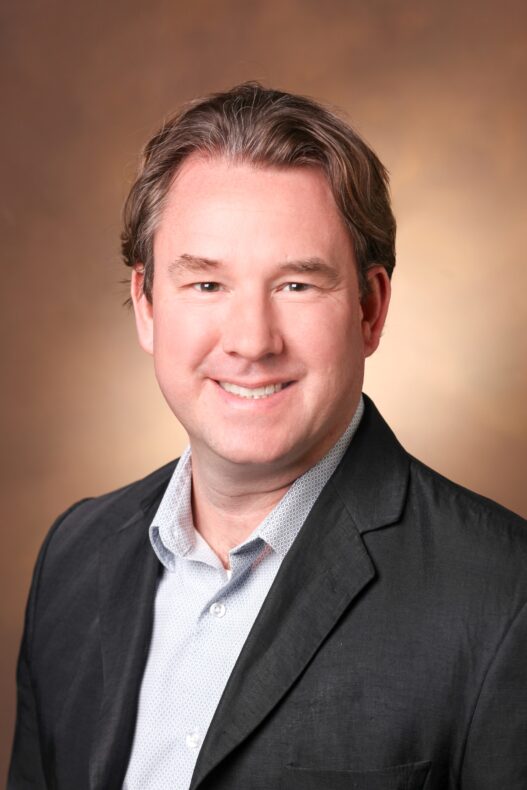
Portrait of a smiling man with graying brown hair wearing a black blazer and light patterned shirt against a warm brown background.
Brian Lehmann, PhD

“The breast cancer atlas provides an unprecedented view of the disease’s molecular diversity and reveals distinct tumor populations associated with different clinical outcomes, biological characteristics and therapeutic vulnerabilities,” said corresponding author Brian Lehmann, PhD, Research Associate Professor of Medicine at Vanderbilt Health. “By analyzing thousands of tumors together, we uncovered previously hidden forms of breast cancer that differ in prognosis, biology and treatment sensitivity.”

Breast cancer is traditionally classified and treated based on the presence — or absence — of hormone (estrogen, progesterone) and HER2 receptors. Transcriptomic profiling has further defined some molecular subtypes, but clinical responses to the same subtype are varied, and other subtypes noted by pathologists remain undefined.

The work builds upon earlier studies by Lehmann and Jennifer Pietenpol, PhD, Chief Scientific and Strategy Officer and Executive Vice President for Research at Vanderbilt Health, who helped define molecular subtypes of triple-negative breast cancer. Their research demonstrated that different triple-negative breast cancer subtypes display distinct sensitivities to therapeutic agents, and these insights have guided clinical trials for targeted treatments of triple-negative breast cancer.

For the new study, the investigators expanded their approach to include transcriptomic data across all types of breast cancer.

One of the long-standing challenges in cancer genomics has been the difficulty of comparing datasets generated across different studies, sequencing platforms and analytical methods, Lehmann noted. To overcome these barriers, the researchers adapted computational approaches originally developed for single-cell genomics, enabling the integration of thousands of breast cancer transcriptomes into a unified analytical framework.

The resulting atlas groups breast cancers into interconnected clusters that share common molecular features, treatment responses and clinical outcomes. When visualized as a map, the atlas resembles an archipelago, with biologically related tumor populations occupying distinct “islands” within a broader molecular landscape. Researchers envision that a patient’s tumor could eventually be positioned on this map to identify the most appropriate therapies and to improve treatment selection for clinical trials.

Highlights of the study’s findings:

  • The atlas reveals substantial biological diversity within traditional breast cancer categories, demonstrating that current classifications do not fully capture clinically relevant differences among tumors.
  • Estrogen receptor-low breast cancers behave more like ER-negative disease (not ER-positive as they are traditionally treated) and may require different treatment considerations.
  • The atlas identifies subsets of HER2-positive tumors that are most dependent on HER2 signaling and could benefit from specific types of HER2 kinase inhibitors.
  • The study uncovers a hidden neuroendocrine form of breast cancer associated with worse outcomes following standard chemo-endocrine therapy and points to FGFR1 as a potential therapeutic target.
  • The atlas defines a biologically distinct aggressive basal-luminal progenitor subtype of triple-negative breast cancer with potential vulnerabilities to RTK/MAPK-targeted and anti-angiogenic therapies.

“Some of the most important findings came from tumors hiding in plain sight,” Lehmann said. “We identified patient populations with poor outcomes that are not routinely recognized in current classification systems and uncovered potential therapeutic opportunities that may help address unmet clinical needs.”

In addition to developing the atlas, the researchers also created a tool that can assign tumors to subtypes using standard bulk RNA sequencing data to guide future research studies and clinical trials.

“The next critical step is prospective testing to determine whether treatment decisions guided by these transcriptional subtypes improve patient outcomes,” Lehmann said. “Our goal is to match patients to therapies based on the biology of their tumors. This atlas provides both a road map and a practical framework for achieving that vision.”

Beyond breast cancer, the researchers said the computational approach can be applied to integrate transcriptomic, proteomic and other large-scale molecular datasets across a wide range of diseases.

Xin Sun, PhD, a postdoctoral fellow in the Department of Medicine at Vanderbilt Health, is the study’s first author. Co-authors are Justin Balko, PharmD, PhD; Hanbing An, PhD; Paula Gonzalez-Ericsson, MD; Hailing Jin; Violeta Sanchez; Quanhu Sheng, PhD; Maksim Chapman; Thomas Stricker, MD, PhD; Vandana Abramson, MD; Ingrid Meszoely, MD, MMHC; and Melinda Sanders, MD.

The research was supported by the Department of Defense Breast Cancer Research Program, National Institutes of Health (grants P50CA098131, P30CA068485), Susan G. Komen, and Breast Cancer Research Foundation. Pietenpol, Ingram Professor of Cancer Research, holds the Brock Family Directorship in Career Development.

The post Breast cancer atlas helps chart course for precision oncology appeared first on Vanderbilt Health News.
Vanderbilt Health researchers receive ‘Mars Shot’ award to improve invasive breast cancer diagnosis

Submitted by vicc_news on

Vanderbilt Health researchers Adam Rosenberg, PhD, and Laura Kennedy, MD, PhD, have received a 2026 “Mars Shot” Research Award to support studies aimed at improving the diagnosis of invasive lobular carcinoma, an invasive breast cancer that is difficult to detect.

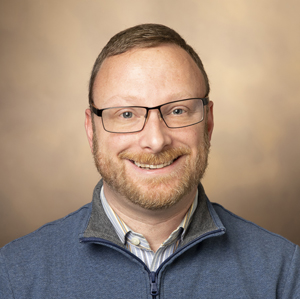
Adam Rosenberg, PhD

The $100,000 award was announced Oct. 15 by the Society of Nuclear Medicine and Molecular Imaging (SNMMI) and the Lobular Breast Cancer Alliance Inc. (LBCA), which jointly funded the award.

Approximately 48,000 women are diagnosed with invasive lobular carcinoma in the United States each year, yet the disease remains “underappreciated and under-researched,” SNMMI President-Elect Gary Ulaner, MD, PhD, said in a news release.

Rosenberg and Kennedy “will use novel molecular imaging to help open new therapeutic options to patients …, which is very good news indeed,” said Ulaner, Chair of Molecular Imaging and Therapy at the Hoag Family Cancer Institute and Professor of Radiology and Translational Genomics at the University of Southern California.

Rosenberg is Research Associate Professor of Radiology and Radiological Sciences and Director of Radiochemistry Research at the Vanderbilt University Institute of Imaging Science. Kennedy is Assistant Professor of Medicine in the Division of Hematology and Oncology. Both are members of the Vanderbilt-Ingram Cancer Center.

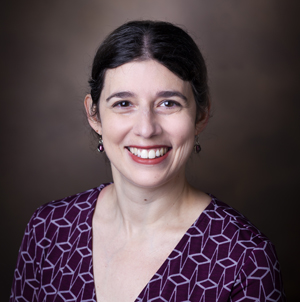
Laura Kennedy, MD, PhD

The focus of their research is HER2 (human epidermal growth factor receptor 2) overexpression, which in breast cancer is associated with poor outcomes. Targeted anti-HER2 antibody therapies have improved survival considerably. However, it is difficult to accurately determine the HER2 status of invasive lobular carcinoma that has spread, or metastasized.

As a result, the burden of disease is frequently underestimated; invasive lobular carcinoma is often diagnosed in later stages and with larger tumors; and many patients are excluded from clinical trials of targeted HER2 therapies such as combined trastuzumab and deruxtecan due to insufficiently measurable disease.

One promising approach is to use positron emission tomography (PET), a noninvasive imaging technique, to detect ABY-025, an anti-HER2 antibody made by the Swedish biopharmaceutical firm Affibody, which has been labeled with gallium-68, a positron-emitting radioisotope of gallium.

Rosenberg and Kennedy will use this approach to quantify HER2 expression throughout the body including bone, the lining of the abdominal cavity, and gastrointestinal sites that cannot be sampled, visualized on conventional imaging, or accurately measured by biopsy.

If this imaging technique finds “actionable HER2” in tumors that were labeled “HER2 zero” by conventional immunohistochemistry testing, “it would show molecular imaging working as a quantitative predictive biomarker that decides drug eligibility, not just as a way to locate disease,” Rosenberg said.

“At Vanderbilt-Ingram Cancer Center, we are committed to advancing precision oncology through innovative research that improves the lives of patients,” said Vanderbilt-Ingram Director Ben Ho Park, MD, PhD, the Benjamin F. Byrd Jr. Professor of Oncology and Professor of Medicine.

“Drs. Rosenberg and Kennedy are leading groundbreaking work to better understand HER2 expression in invasive lobular carcinoma, with the potential to expand treatment opportunities and advance more personalized care for patients with breast cancer,” Park said.

Rosenberg is a synthetic organic chemist and radiochemist whose research focuses on optimizing existing radiopharmaceutical production methods, novel synthesis methods, and development of novel radiotracers, with a recent emphasis on the practical use of smaller biologics.

Kennedy’s previous research has focused on predicting immunotherapy response of HER2-positive and triple-negative breast cancer using breast imaging and on developing improved systemic treatment strategies for early-stage lobular breast cancer through her investigator-initiated clinical trial, “Neoadjuvant Neratinib in Stage I-III HER2-Mutated Lobular Breast Cancers” (NCT05919108).

The SNMMI Mars Shot Research Fund, established in 2023, provides resources that translate visionary nuclear medicine imaging, radiopharmaceutical therapy, and data science research or projects into tools or treatments which will help improve the lives of patients.

The post Vanderbilt Health researchers receive ‘Mars Shot’ award to improve invasive breast cancer diagnosis appeared first on Vanderbilt Health News.
Cancer’s Andreana Holowatyj honored by Chamber of Commerce

Submitted by vicc_news on

The Nashville Area Chamber of Commerce and Young Professionals (YP) Nashville recently honored Andreana Holowatyj, PhD, MSCI, Assistant Professor of Hematology and Oncology at Vanderbilt Health, with a Nashville Emerging Leaders Award (NELAS).

The award recognizes Middle Tennessee’s young professionals ages 21-40 across several industries for their professional achievements and community contributions.

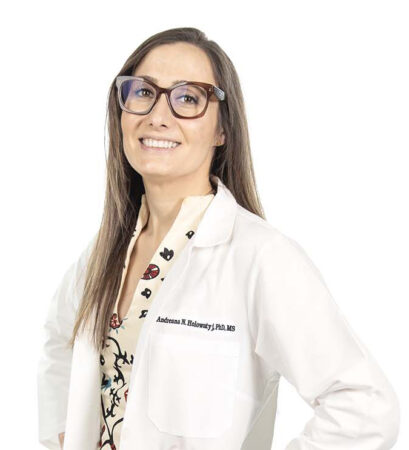
Andreana Holowatyj, PhD, MSCI

Holowatyj, Assistant Professor, Research Director and Research Immersion Co-Director at Vanderbilt University School of Medicine, is the 2026 winner in the category of “Medical, Healthcare & Wellness.”

“Winning The NELAS is a remarkable honor, especially among a talented group of changemakers in medicine. Every day I am inspired by our young adult patients with cancer,” said Holowatyj, who is also a Research Program Faculty Fellow and member of the Board of Directors for the Young Adults with Cancer Program at Vanderbilt-Ingram Cancer Center. “Our discoveries come from strong patient and community partnerships, a stellar team of staff, students and colleagues, and the support to pursue bold ideas that can transform our understanding of why cancers, like colorectal cancer, are rising in younger generations.”

Now in its 19th year, The NELAS recognize up to five finalists and one winner in various industry categories. Industry leaders serving as judges evaluate applications and choose finalists and winners based on submitted essay responses, professional achievement, demonstrated leadership, and community impact.

“This year’s NELAS winners represent the best of the best of our region’s young professionals,” said Stephanie Coleman, President and CEO of the Nashville Area Chamber of Commerce. “These dynamic leaders represent Nashville’s growth and success, and we look forward to their continued engagement in the community as they advance and develop their careers.”

YP Nashville, sponsored by Belmont University’s Jack C. Massey College of Business, is the Nashville Area Chamber of Commerce’s young professional initiative, connecting and empowering emerging leaders through year-round networking, leadership development, and community engagement opportunities.

“Our young professionals are driving the community forward with outstanding vision, work ethic, and dedication,” said Randy Bradley, PhD, Dean of the Jack C. Massey College of Business at Belmont University. 

“A NELAS nomination is a testament to that impact, and this year’s finalists represent a talented group leading the charge. Young professionals are the heartbeat of our regional economy and seeing them recognized fills me with pride and optimism for our collective future. Congratulations on this well-deserved honor,” he said.

Holowatyj leads a renowned biomedical research program committed to tackling the rising tide of early-onset cancers among adults under age 50, for which she has also been recognized with the national 40 Under 40 in Cancer 2025 award from the Association for Value-Based Cancer Care and the 2026 Vanguard Impact Award for Colorectal Cancer Research by the Kayode Oluseun Okunoren Legacy Fund.

With funding from the National Institutes of Health and National Cancer Institute, American Cancer Society, and several foundations, her team conducts both patient-partnered clinical trials — including the Preserving Fertility After Colorectal Cancer study — and fundamental molecular investigations to answer tough, clinically-significant and important questions that will transform our biological understanding of early-onset cancer development and improve young patient care as well as outcomes in the clinic, in local communities and across the state of Tennessee.

The post Cancer’s Andreana Holowatyj honored by Chamber of Commerce appeared first on Vanderbilt Health News.

Study identifies factors driving effectiveness of off-the-shelf CAR-T therapy

Submitted by vicc_news on

A new study, published Sept. 25 in Cancer Discovery, reveals key insights into the biological factors shaping efficacy of off-the-shelf CAR-T cell therapies. Andrew Jallouk, MD, PhD, Assistant Professor of Medicine in the Division of Hematology/Oncology, was lead author of the study.

Currently, standard CAR-T therapies require a patient’s own T cells to be collected, genetically engineered and returned to the patient — a complex process which can take several weeks. Off-the-shelf CAR-T therapies are prepared in advance and immediately available when needed, making them easier for patients to access. However, the response to these therapies may vary due to characteristics of the individual patient or product.

Jallouk explained, “As part of this work, we identified both patient and product features which contribute to CAR-T efficacy. These findings help explain why patients can have very different responses to the exact same off-the-shelf CAR-T therapy.”

The team’s findings could lead to new strategies which improve efficacy of these treatments and expand lifesaving options for cancer patients.

Balance between immune rejection and CAR-T expansion

The researchers evaluated patients with relapsed or refractory large B-cell lymphoma who received cemacabtagene ansegedleucel (cema-cel, Allogene Therapeutics), an investigational off-the-shelf CAR-T cell product. Using advanced molecular and immune profiling, the team tracked how the engineered immune cells behaved post-infusion and monitored how patients’ immune systems reacted to them.

The study found that pre-existing immune defenses in a subset of patients targeted and rejected the CAR-T cells. This process limited the therapy’s effectiveness in these patients. In contrast, patients whose CAR-T cells expanded successfully showed little evidence of immune rejection. Additionally, the study found that certain CAR-T cell populations consistently demonstrated a greater ability to expand across multiple patients and disease settings.

Building better off-the-shelf CAR-T therapies

These results establish a framework for enhancing next-generation CAR-T cell therapies by helping manufacturers further optimize donor selection and production methods. They also help physicians identify patients who may respond best to CAR T therapies prior to treatment.

Jallouk summarized, “Our findings provide a roadmap for improving future allogeneic CAR-T cell therapies. By identifying patients who may be more likely to reject off-the-shelf CAR-T cells and refining how these therapies are developed, we can work toward more effective and personalized treatments.”

The study was supported by funding from Allogene Therapeutics, the University of Texas MD Anderson Cancer Center, Conquer Cancer, the Lymphoma Research Foundation, the Cancer Prevention and Research Institute of Texas and the National Cancer Institute (1K08CA248458-01). A full list of collaborating authors and their disclosures may be found with the full paper in Cancer Discovery.

The post Study identifies factors driving effectiveness of off-the-shelf CAR-T therapy appeared first on Vanderbilt Health News.
How ‘mismatched donors’ are opening new doors for blood cancer patients

Submitted by vicc_news on

Bhagirathbhai Dholaria, MBBS, Associate Professor of Medicine and a hematopoietic cell transplantation specialist, along with peers from several other transplant centers across the country, recently reached a major milestone in stem cell transplantation.

Bhagirathbhai Dholaria, MBBS

Their clinical trial, called ACCESS, showed that using “mismatched donors” for blood or bone marrow transplants is safe, potentially opening the door to cures for blood cancers such as leukemia and lymphoma.

Findings from the ACCESS trial were recently published in the journal JAMA Network Open.

“Many patients need a donor whose tissue type closely matches their own,” Dholaria said. “Historically, patients from racial and ethnic minority groups have had a harder time finding a perfectly matched donor because donor registries included fewer people from their backgrounds.

“As a result, minority patients are referred less often or move more slowly toward transplant because finding a fully matched donor can be difficult. If doctors believe a suitable donor is unlikely, they may never see a transplant physician in the first place.”

Expanding access and opportunity at the same time

The ACCESS trial set out to dismantle this barrier by allowing mismatched, unrelated donors for patients lacking a full match. Typically, traditional clinical trials restrict enrollment to matched donors only.

By eliminating the requirement for a perfectly matched donor, ACCESS opened the door for more Asian, Black, Hispanic and multiracial patients who previously may not have been eligible for a transplant or clinical trial.

Nearly half of participants in this trial identified as members of racially or ethnically underrepresented groups.

Comparing nearly 670 patients across three different studies, Dholaria and colleagues found that ACCESS participants were more than 25 percentage points more likely to come from diverse racial and ethnic backgrounds than those enrolled in other trials. The broader eligibility criteria also expanded the pool of potential donors available to patients.

“The more we broaden access to transplant, the more patients we can give an opportunity for cure,” said Dholaria.

The post How ‘mismatched donors’ are opening new doors for blood cancer patients appeared first on Vanderbilt Health News.
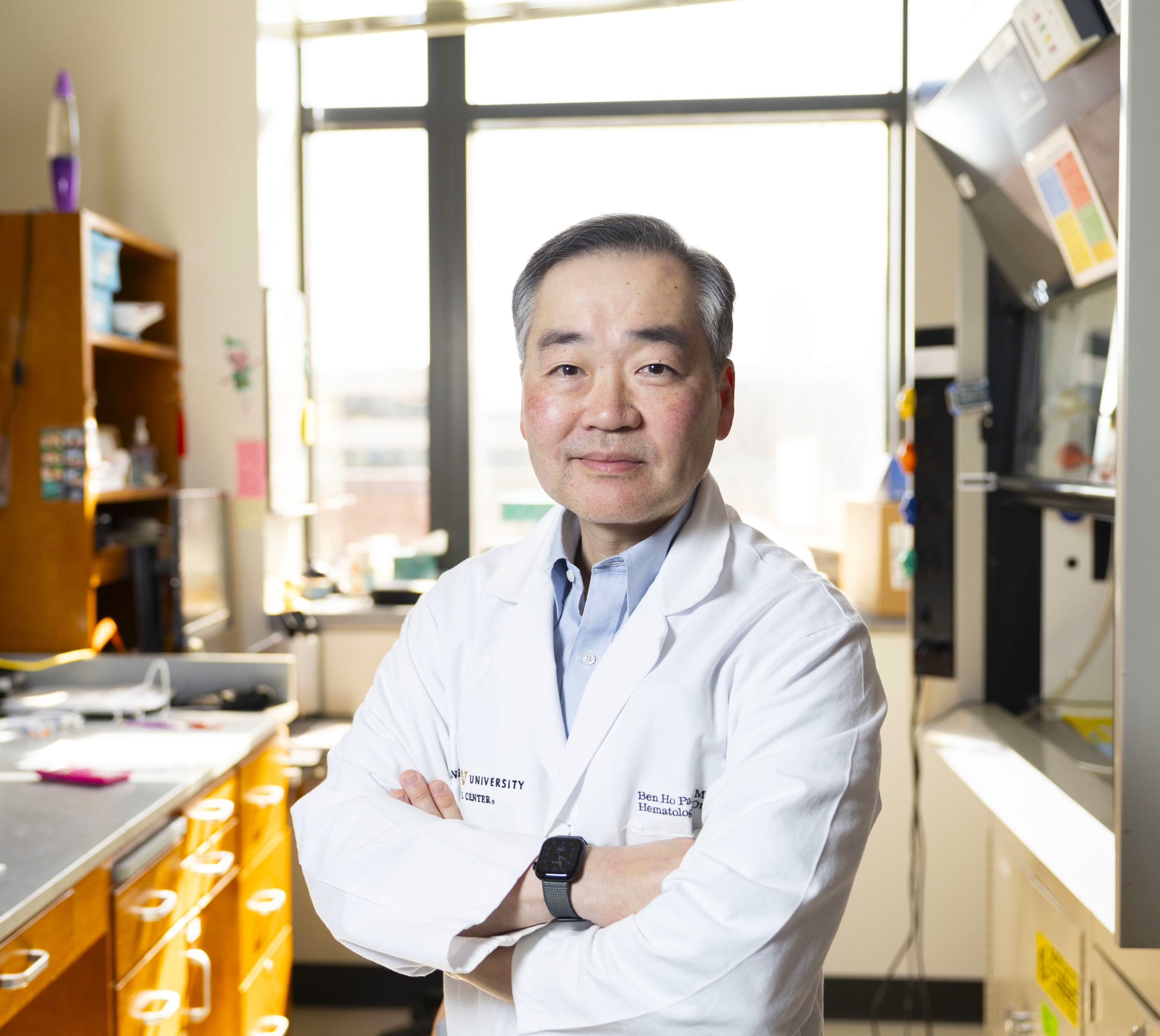
Decoding the ancestry gap in diagnosing and treating acute myeloid leukemia

Submitted by vicc_news on

For years, care incidence gaps were chalked up to money, insurance and getting to the doctor. While those factors are important, they miss one critical detail: that genes and ancestry shape how cancer develops, proving that no two patients are exactly alike.

“Often, we assume that the reason for most gaps in health care outcomes is an inability to access health care, as some patients simply cannot get transportation to get to the hospital or doctors’ appointments, or they lack insurance,” said Somedeb Ball, MBBS, Assistant Professor of Medicine in Hematology/Oncology at Vanderbilt-Ingram Cancer Center. “But in addition to those factors, we must recognize scientifically that we are not all the same. Understanding the biologic differences in genes and ancestry can provide insights into delivering personalized care.”

Ball, who studies genetic mutations in acute myeloid leukemia (AML), an aggressive blood cancer that has a five-year survival rate of only 30%, set out to investigate and get some answers.

The Problem: A Long-Standing Blind Spot

AML is predominantly diagnosed in white populations, and in turn, up to 90% of clinical trial participants are white. As a result, standard classification criteria, risk stratification models, and approach to targeted therapies have been heavily skewed toward European ancestry, which left big gaps in care for patients of color, particularly Black patients.

But AML is driven by complex combinations of multiple genetic mutations rather than a single defect, so targeted therapies designed around European genetic profiles often fail or lead to treatment resistance in other races and ethnicities.

To address this problem, Ball collaborated with Chidiebube Ugwu, MD, of Jefferson Einstein Philadelphia Hospital, and Jude Ossai, MD, of Newark Beth Israel Medical Center. The research team analyzed American Association for Cancer Research (AACR) Project Genomics Evidence Neoplasia Information Exchange (GENIE) data from 2,359 patients with AML (243 Black and 2,116 white) to examine how mutational landscapes differ by race.

The Key Findings: A Distinct Biological Profile

The study revealed significant biological differences in Black AML patients that directly challenge current “race-blind” risk models:

  • Lower splicing factor mutations: Black patients exhibited lower rates of splicing factor gene mutations compared to white patients.
  • Unexpected early-onset mutations: Black patients under age 40 showed a significantly higher prevalence of myelodysplastic syndrome-related mutations, such as ASXL1.
  • Unique co-mutations: Distinct co-mutation patterns were identified in Black patients, particularly involving the RAS/MAPK signaling pathway.
  • Altered prognostic indicators: Mutations traditionally classified as “favorable” (such as NPM1) provided protective survival benefits in white patients but failed to do the same in Black patients.

“Because existing risk stratification models were built on data from white patients, we must update how we categorize risk to ensure precision care for Black patients,” Ball said.

The Solutions: Re-Evaluating Guidelines and Expanding Clinical Access

These findings underscore that AML cannot be treated with a “one-size-fits-all” strategy. Shared at the 2026 ASCO Annual Meeting and featured in Specialty Pharmacy Continuum, the team’s research highlights an urgent need for the academic community to incorporate ancestry-specific differences into clinical guidelines.

Moving forward, Ball cited two changes that would work toward a more full understanding of AML: actively recruiting a broad and representative cohort of participants in clinical trials, while expanding genomic testing in community settings.

“Expanding access to genomic tools helps doctors understand the drivers of each patient’s cancer, while robust trial participation ensures new therapies benefit everyone and are applicable to people of all racial and ethnic groups,” he said.

Achieving this will require proactive outreach.

“It is our responsibility as investigators and physicians to meet patients where they are, address their concerns, and clearly communicate how participating in research helps both them and future patients. Building truly inclusive precision oncology requires a unified, comprehensive effort from the top down,” Ball said.

The post Decoding the ancestry gap in diagnosing and treating acute myeloid leukemia appeared first on Vanderbilt Health News.
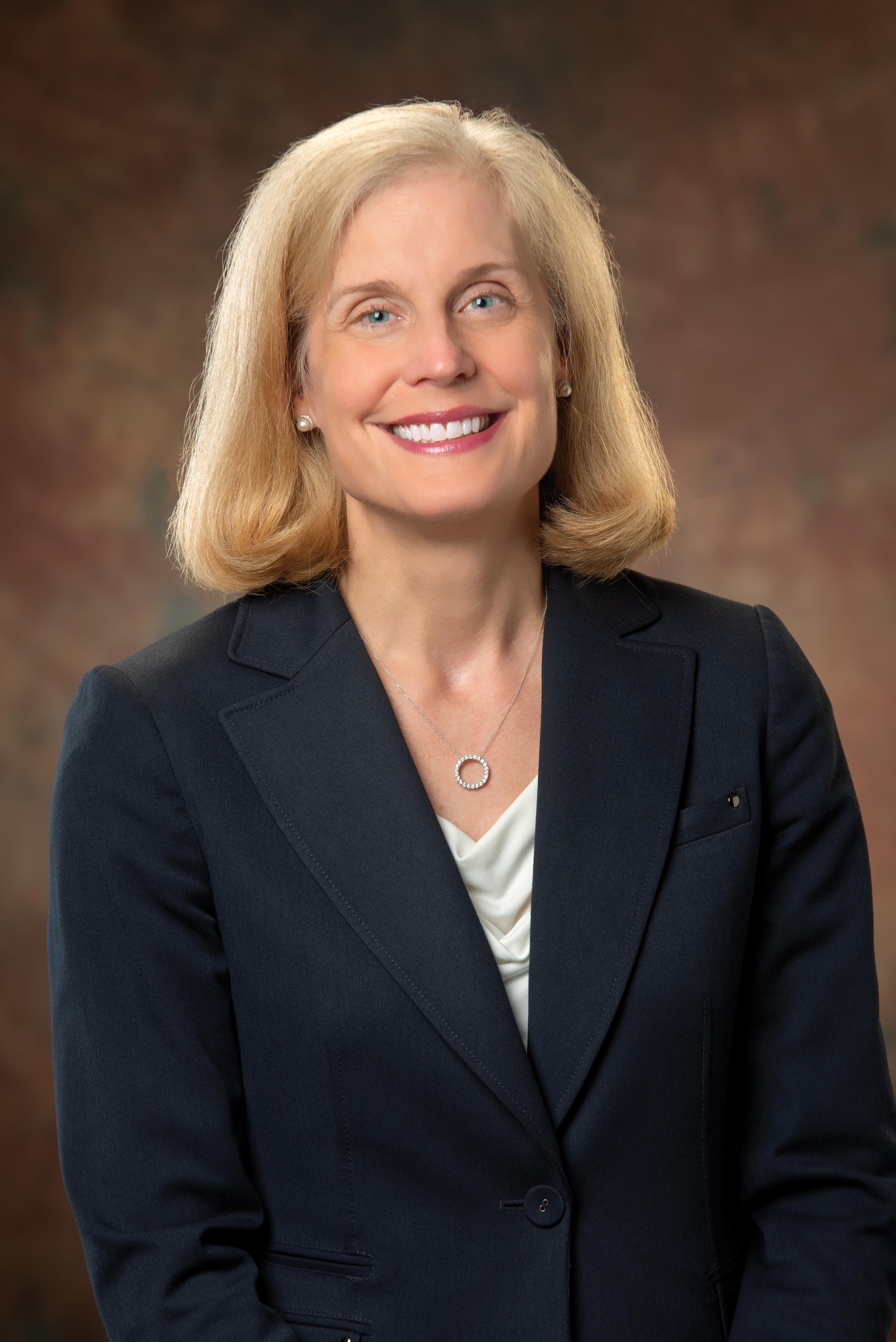
Discover what’s next in cancer cell therapy at Aug. 29 symposium

Submitted by vicc_news on

On Saturday, Aug. 29, Vanderbilt-Ingram Cancer Center is convening clinicians from across the Middle Tennessee area for a day of collaboration and connection at the Stem Cell Transplant and Cellular Therapy Symposium, held at the Loews Nashville Hotel at Vanderbilt Plaza from 8 a.m. to 4 p.m.

The event theme is “Emerging Applications of Novel Therapies in Hematologic Disorders and Solid Tumors.”

Adetola Kassim, MBBS, MS, Professor of Medicine in the Division of Hematology and Oncology, is the symposium chair and moderator. 

Kassim said, “Advances in treatment for hematologic disorders and solid tumors continue to reshape what’s possible for patients. This symposium offers providers a forum to learn from experts, share perspectives, and apply the latest evidence to improve outcomes for their patients.”

Sessions will focus on current advances in stem cell transplantation and cancer cell therapy, and emerging applications of these novel therapies in hematologic disorders and solid tumors.

The event will begin with a welcome from Ben Ho Park, MD, PhD, Director of Vanderbilt-Ingram and Benjamin F. Byrd Jr. Professor of Oncology, and Karen Proctor, MSN, RN, NE-BC, Administrative Director of Nursing.

A limited number of tickets are available for Vanderbilt Health employees at a discounted rate. Use these codes at checkout:

  1. Physicians: VUMCMD
  2. Advanced practice providers, fellows and nurses: VUMCAPPFEL

To register and view the agenda in advance, click here. Email questions to sct_symposium@vumc.org.

The post Discover what’s next in cancer cell therapy at Aug. 29 symposium appeared first on Vanderbilt Health News.
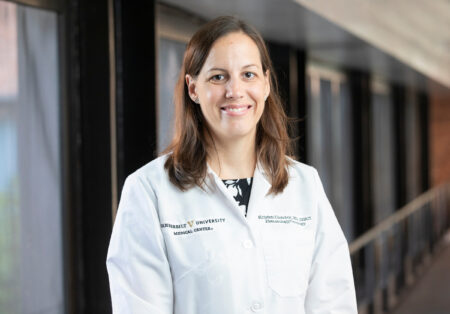
Vanderbilt Health lands three of 35 Susan G. Komen research grants

Submitted by vicc_news on
Tuya Pal, MD

On Tuesday, June 23, Susan G. Komen, the internationally known nonprofit breast cancer organization, announced $15.4 million in grants to 35 leading breast cancer researchers across the United States. Three of the 35 grantees are Vanderbilt-Ingram Cancer Center members:

  • Tuya Pal, MD, Associate Director of Clinical Genomics and Ingram Professor of Cancer Research
  • Ben Ho Park, MD, PhD, Director of Vanderbilt-Ingram Cancer Center and Benjamin F. Byrd Jr. Professor of Oncology
  • Jennifer Pietenpol, PhD, Chief Scientific and Strategy Officer at Vanderbilt Health, Ingram Professor of Cancer Research, and former director of Vanderbilt-Ingram Cancer Center
Ben Ho Park, MD, PhD

“On behalf of Vanderbilt Health, we are deeply grateful to Susan G. Komen for its long-standing partnership and extraordinary commitment to advancing breast cancer research. Komen’s sustained investment in science and in researchers enables institutions like ours to pursue bold, collaborative work that ultimately improves outcomes for patients everywhere,” said Pietenpol, who holds the Brock Family Directorship in Career Development.

“I’m honored to receive a grant from Susan G. Komen alongside my Vanderbilt Health colleagues and fellow grantees advancing breast cancer discoveries,” she said.

According to Komen, the funded projects span some of the most promising areas of research and include support for long-term, well-established researchers who have made a profound impact in the field.

Jennifer Pietenpol, PhD

Pietenpol and her team’s Komen-funded research focuses on understanding the molecular drivers of triple-negative breast cancers, with the goal of identifying new vulnerabilities that can be targeted therapeutically. Her work integrates genomic and functional approaches to uncover mechanisms that influence tumor behavior and treatment response, helping to inform more precise and effective strategies for patients with high-risk disease.

Park’s work centers around how to expose new therapeutic “vulnerabilities” in breast cancers that have gene mutations that lead to alterations in RNA, or “missplicing.”

In simpler terms, Park is developing new therapies based on a specific type of gene mutation that “rewires” cancer cells. This rewiring is what gives the cells the ability to become cancerous. His work has uncovered an Achilles’ heel: These rewired circuits are found only in cancer cells, not in normal cells.

Park explained, “This creates a strong rationale for developing cancer-specific drugs, and in our study, we focus on antibodies that selectively kill cells with ‘rewired’ components.”

Pal’s research is focused on the intersection of tumor and germline genomics, including studies of inherited breast cancers. Pal said, “Our overall goals are to better understand the development and trajectory of breast cancers due to inherited genes across populations.”

Her work examines breast cancer tumor genomics among broad populations of women with hereditary breast cancer due to BRCA1, BRCA2, PALB2, ATM and CHEK2 mutations. These efforts encompass the evaluation of aggressive breast cancers among young Black women, who face higher risks of being diagnosed with and dying from breast cancer, yet are also less likely to receive genetic testing.

Komen is the largest nonprofit funder of breast cancer research outside of the U.S. government, having invested more than $1.1 billion in research since its founding.

The post Vanderbilt Health lands three of 35 Susan G. Komen research grants appeared first on Vanderbilt Health News.

Richard Peek joins Kristen Ciombor as Co-Leader of Gastrointestinal Cancer Research Program

Submitted by vicc_news on

Vanderbilt-Ingram Cancer Center has named Richard Peek Jr., MD, a Co-Leader of its Gastrointestinal (GI) Cancer Research Program, joining Kristen Ciombor, MD, MSCI, who assumed leadership of the program in 2025.

Peek is Professor of Medicine and Director of the Division of Gastroenterology, Hepatology and Nutrition at Vanderbilt Health, where he holds the Mina Cobb Wallace Chair in Immunology. He is an internationally recognized expert in Helicobacter pylori pathogenesis and host-microbial interactions. Peek has led the Division of Gastroenterology, Hepatology and Nutrition since 2004, during which time it has tripled in size and grown its National Institutes of Health (NIH) research portfolio to more than $11 million annually.

“I am beyond excited to be able to serve in this role for the Vanderbilt-Ingram Cancer Center and to have the opportunity to work with such an exceptionally talented and dedicated physician as Kristen Ciombor,” Peek said. “Vanderbilt-Ingram has always supported my career unequivocally, particularly when they provided pilot funding that presaged our successful P01 grant on Helicobacter pylori and gastric cancer. I am honored to take on this responsibility.”

Kristen Ciombor, MD, MSCI (photo by Erin O. Smith)

Peek’s individual research program has been funded by the NIH for more than 30 years and includes R01 and P01 funding from the National Cancer Institute. He has been elected to the American Society for Clinical Investigation, the Association of American Physicians, the American Association for the Advancement of Science, the American Clinical and Climatological Association, and was a charter member of the NIH Gastrointestinal Mucosal Pathobiology Study Section.

He also served as chair of the American Gastroenterological Association (AGA) Council, co-editor-in-chief of Gastroenterology, as a member of the NIH National Institute of Diabetes and Digestive and Kidney Disease Advisory Council and was recently selected to be president President-Elect of the AGA World Gastroenterology Organization.

Ciombor is Associate Professor of Medicine in the Division of Hematology and Oncology at Vanderbilt, where she has been a faculty member since 2017. A board-certified medical oncologist specializing in gastrointestinal cancers, she leads multiple national investigator-initiated clinical trials in colorectal cancer. She is a co-investigator on the Vanderbilt-Ingram GI SPORE grant and leads the National Clinical Trials Network Lead Academic Participating Site grant at Vanderbilt. She also serves as chair of the Colorectal/Anal Working Group for the Eastern Cooperative Oncology Group and is a member of the NCI GI Steering Committee, among other roles.

“I am delighted that Dr. Peek has been selected to co-lead the Vanderbilt-Ingram GI Cancer Research Program,” Ciombor said. “He is a world-renowned gastroenterologist and expert in H. pylori pathogenesis and a true asset to the Vanderbilt research community. I am thrilled to work with him as we continue to strengthen the GI cancer research collaborations at Vanderbilt.”

“GI cancer incidence and mortality rates in our catchment area are worse than the national average, and screening for diseases like colorectal cancer also are lower in Tennessee than in many other states,” said Ben Ho Park, MD, PhD, the Benjamin F. Byrd Jr. Professor of Oncology and Director of Vanderbilt-Ingram. “GI cancers have been a long-standing priority of the Vanderbilt-Ingram Cancer Center, in part because of the burden of GI cancers in our area, but also because of the exceptional expertise here at Vanderbilt.

“Together, Drs. Peek and Ciombor bring deep knowledge and experience to optimize and personalize the prevention, diagnosis and treatment of GI malignancies. The GI cancer research program at Vanderbilt-Ingram will flourish under their strong co-leadership.”

The post Richard Peek joins Kristen Ciombor as Co-Leader of Gastrointestinal Cancer Research Program appeared first on Vanderbilt Health News.

Liquid biopsy predicts response to breast cancer immunotherapy

Submitted by vicc_news on
Justin Balko, PharmD, PhD
Justin Balko, PhD, PharmD

Immunotherapy has become a standard of care in treating high-risk, early-stage breast cancers, yet it has had limited success in shrinking tumors. New biomarkers that can improve outcomes for patients are urgently needed.

Now, a study led by researchers at the Vanderbilt-Ingram Cancer Center has found that repeated blood sampling — essentially, a liquid biopsy — can assess and predict the evolving antitumor immune response to therapy.

This minimally invasive and cost-effective alternative to tissue biopsy offers “an accessible tool for tailoring treatment strategies in breast cancer,” they reported April 22 in the journal Science Translational Medicine.

The researchers performed RNA sequencing on 546 peripheral blood samples from 160 patients with high-risk, stages 2 or 3 breast cancers negative for human epidermal growth factor receptor 2 (HER2) during treatment with either chemotherapy alone or in combination with immunotherapy.

Justin Balko, PhD, PharmD, professor of Medicine and Pathology, Microbiology and Immunology at Vanderbilt Health and the paper’s corresponding author, acknowledged several co-authors — investigators from the nationwide I-SPY2 clinical trial — who, among other contributions to the study, provided the blood samples.

Co-author Laura Esserman, MD, MBA, director of the Breast Care Center at the University of California, San Francisco, is principal investigator of the I-SPY2 trial, which is assessing novel treatment strategies for subsets of breast cancer based on their molecular characteristics (biomarker signatures). Vanderbilt Health is among 42 trial locations.

Cell-free DNA testing, another form of liquid biopsy, is routinely used clinically for detection, diagnosis and therapeutic monitoring of a variety of malignancies.

Balko and his colleagues sampled the transcriptome, the transcription of genes involved in the clonal expansion and activation of antitumor immune cells called T cells. They found it predicted response to the immunotherapy drug pembrolizumab.

While validation is needed, this new liquid biopsy has the potential to “guide immunotherapy decision-making, tailor treatment regimens, and advance precision oncology, not only in (breast cancer) but potentially in other solid tumors as well,” the researchers concluded.

The paper’s first author, Xiaopeng Sun, PhD, is now at Merck. Co-authors at Vanderbilt Health are Andres Ocampo, Jacey Marshall and Julia Steele, graduate students in the Vanderbilt Program in Cancer Biology, and Susan Opalenik, PhD, senior research supervisor in the Balko lab.

The study was supported in part by National Institutes of Health grants P50CA098131, PO1CA210961, R01CA255442, U54CA274502, P30CA082103, P30CA068485 and NIH/NCI Imaging grant 28XS197 P-0518835), a Department of Defense Era of Hope Award, the Breast Cancer Research Foundation, Breast Cancer Research — Atwater Trust, Stand Up To Cancer, the California Breast Cancer Research Program and Give Breast Cancer the Boot.

The post Liquid biopsy predicts response to breast cancer immunotherapy appeared first on Vanderbilt Health News.

Subscribe to Division_of_Hematology_and_Oncology