Breast cancer atlas helps chart course for precision oncology

Submitted by vicc_news on

A new molecular map of breast cancer has identified novel forms of the disease and provides a foundation for selecting personalized treatments guided by a tumor’s molecular characteristics rather than standard pathology alone.

In a study published Nov. 3 in Cell Reports Medicine, researchers at Vanderbilt-Ingram Cancer Center generated one of the largest transcriptomic maps of breast cancer ever assembled, integrating data from more than 7,600 tumors across 22 independent studies. The “transcriptome” is the complete set of RNA molecules produced by a tumor; it reveals biological details about gene expression and other molecular characteristics.
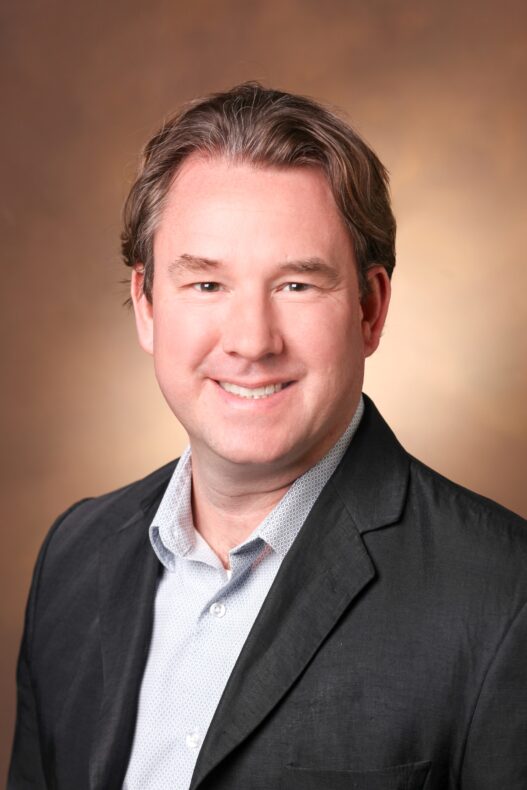
Portrait of a smiling man with graying brown hair wearing a black blazer and light patterned shirt against a warm brown background.
Brian Lehmann, PhD

“The breast cancer atlas provides an unprecedented view of the disease’s molecular diversity and reveals distinct tumor populations associated with different clinical outcomes, biological characteristics and therapeutic vulnerabilities,” said corresponding author Brian Lehmann, PhD, Research Associate Professor of Medicine at Vanderbilt Health. “By analyzing thousands of tumors together, we uncovered previously hidden forms of breast cancer that differ in prognosis, biology and treatment sensitivity.”

Breast cancer is traditionally classified and treated based on the presence — or absence — of hormone (estrogen, progesterone) and HER2 receptors. Transcriptomic profiling has further defined some molecular subtypes, but clinical responses to the same subtype are varied, and other subtypes noted by pathologists remain undefined.

The work builds upon earlier studies by Lehmann and Jennifer Pietenpol, PhD, Chief Scientific and Strategy Officer and Executive Vice President for Research at Vanderbilt Health, who helped define molecular subtypes of triple-negative breast cancer. Their research demonstrated that different triple-negative breast cancer subtypes display distinct sensitivities to therapeutic agents, and these insights have guided clinical trials for targeted treatments of triple-negative breast cancer.

For the new study, the investigators expanded their approach to include transcriptomic data across all types of breast cancer.

One of the long-standing challenges in cancer genomics has been the difficulty of comparing datasets generated across different studies, sequencing platforms and analytical methods, Lehmann noted. To overcome these barriers, the researchers adapted computational approaches originally developed for single-cell genomics, enabling the integration of thousands of breast cancer transcriptomes into a unified analytical framework.

The resulting atlas groups breast cancers into interconnected clusters that share common molecular features, treatment responses and clinical outcomes. When visualized as a map, the atlas resembles an archipelago, with biologically related tumor populations occupying distinct “islands” within a broader molecular landscape. Researchers envision that a patient’s tumor could eventually be positioned on this map to identify the most appropriate therapies and to improve treatment selection for clinical trials.

Highlights of the study’s findings:

  • The atlas reveals substantial biological diversity within traditional breast cancer categories, demonstrating that current classifications do not fully capture clinically relevant differences among tumors.
  • Estrogen receptor-low breast cancers behave more like ER-negative disease (not ER-positive as they are traditionally treated) and may require different treatment considerations.
  • The atlas identifies subsets of HER2-positive tumors that are most dependent on HER2 signaling and could benefit from specific types of HER2 kinase inhibitors.
  • The study uncovers a hidden neuroendocrine form of breast cancer associated with worse outcomes following standard chemo-endocrine therapy and points to FGFR1 as a potential therapeutic target.
  • The atlas defines a biologically distinct aggressive basal-luminal progenitor subtype of triple-negative breast cancer with potential vulnerabilities to RTK/MAPK-targeted and anti-angiogenic therapies.

“Some of the most important findings came from tumors hiding in plain sight,” Lehmann said. “We identified patient populations with poor outcomes that are not routinely recognized in current classification systems and uncovered potential therapeutic opportunities that may help address unmet clinical needs.”

In addition to developing the atlas, the researchers also created a tool that can assign tumors to subtypes using standard bulk RNA sequencing data to guide future research studies and clinical trials.

“The next critical step is prospective testing to determine whether treatment decisions guided by these transcriptional subtypes improve patient outcomes,” Lehmann said. “Our goal is to match patients to therapies based on the biology of their tumors. This atlas provides both a road map and a practical framework for achieving that vision.”

Beyond breast cancer, the researchers said the computational approach can be applied to integrate transcriptomic, proteomic and other large-scale molecular datasets across a wide range of diseases.

Xin Sun, PhD, a postdoctoral fellow in the Department of Medicine at Vanderbilt Health, is the study’s first author. Co-authors are Justin Balko, PharmD, PhD; Hanbing An, PhD; Paula Gonzalez-Ericsson, MD; Hailing Jin; Violeta Sanchez; Quanhu Sheng, PhD; Maksim Chapman; Thomas Stricker, MD, PhD; Vandana Abramson, MD; Ingrid Meszoely, MD, MMHC; and Melinda Sanders, MD.

The research was supported by the Department of Defense Breast Cancer Research Program, National Institutes of Health (grants P50CA098131, P30CA068485), Susan G. Komen, and Breast Cancer Research Foundation. Pietenpol, Ingram Professor of Cancer Research, holds the Brock Family Directorship in Career Development.

The post Breast cancer atlas helps chart course for precision oncology appeared first on Vanderbilt Health News.
More time with the people he loves: A veteran tells his TIL therapy story, a first at Vanderbilt-Ingram Cancer Center

Submitted by vicc_news on

Senior Chief Petty Officer Ed Stift, U.S. Navy (retired), was the first patient to receive tumor-infiltrating lymphocyte (TIL) therapy at Vanderbilt-Ingram Cancer Center. Watch Ed, his wife, Nora, and his care team talk about his treatment, the Department of Veterans Affairs partnership that made it possible, and the time he’s grateful to spend with his family.

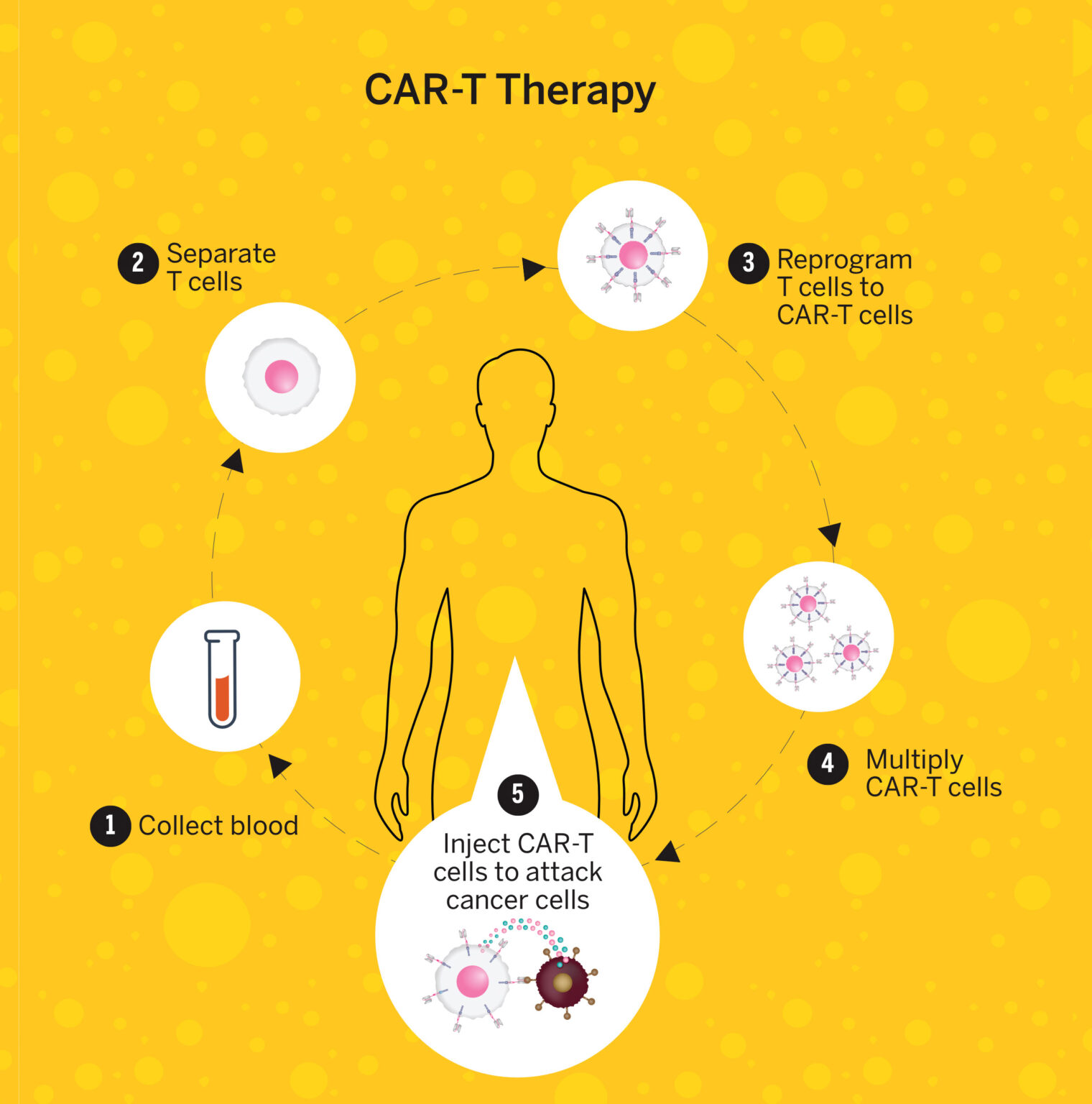
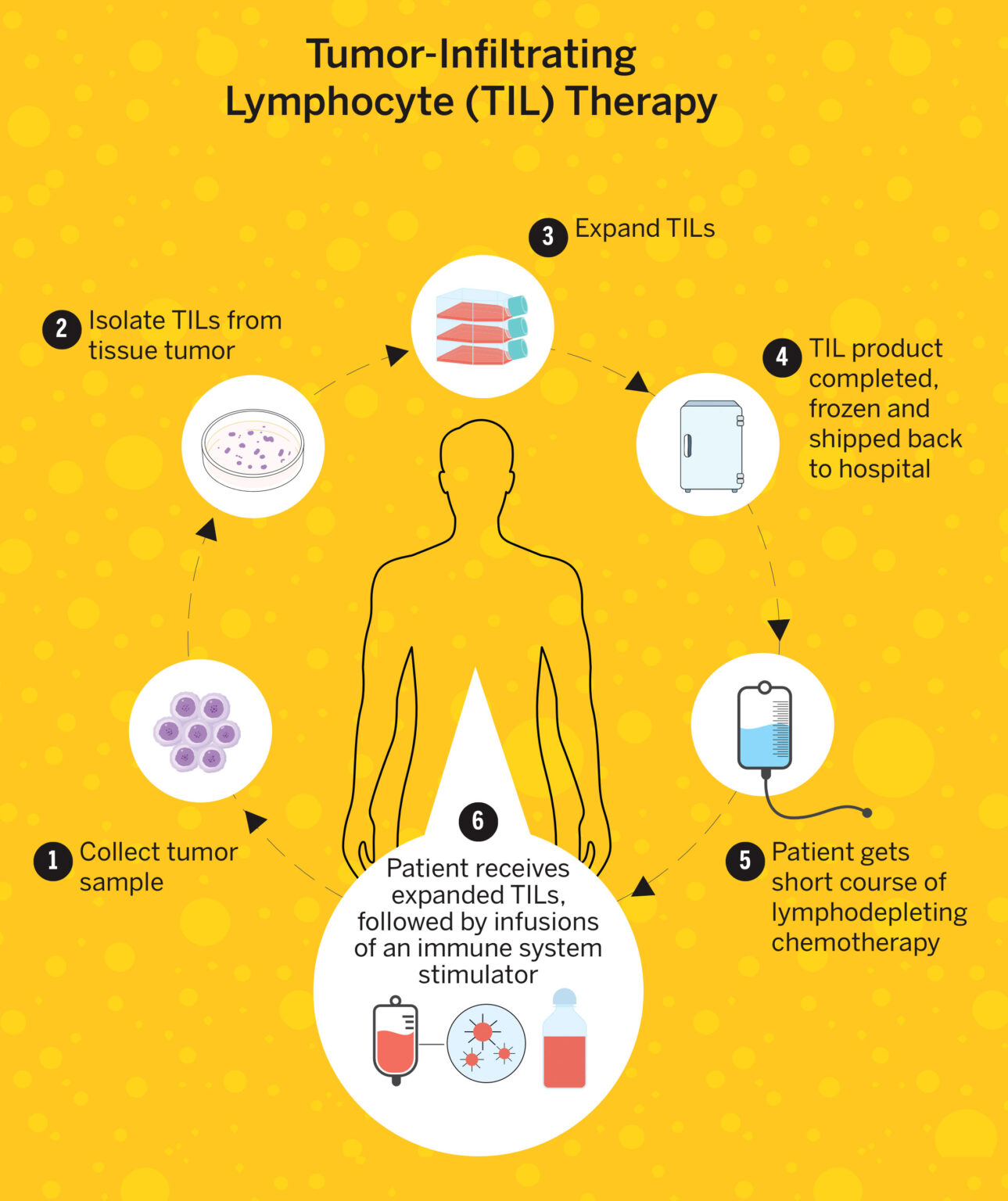
Types of Cellular Therapies

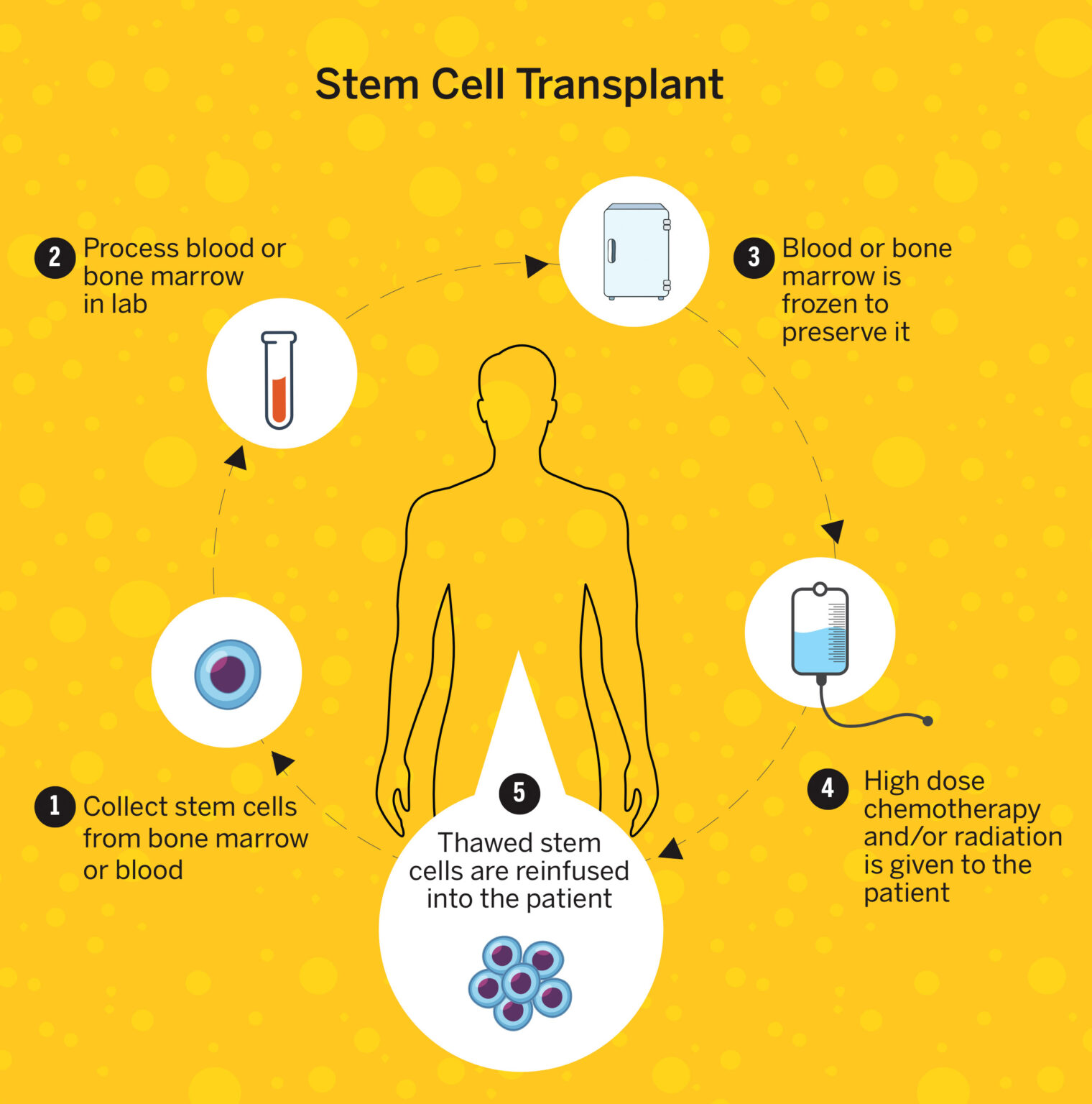
Infographic titled “Stem Cell Transplant” showing five stages in a circular process: collecting stem cells from bone marrow or blood; processing them in a lab; freezing the blood or bone marrow; giving high-dose chemotherapy and/or radiation; and thawing and reinfusing the stem cells into the patient.

The post More time with the people he loves: A veteran tells his TIL therapy story, a first at Vanderbilt-Ingram Cancer Center appeared first on Vanderbilt Health News.
Vanderbilt Health researchers receive ‘Mars Shot’ award to improve invasive breast cancer diagnosis

Submitted by vicc_news on

Vanderbilt Health researchers Adam Rosenberg, PhD, and Laura Kennedy, MD, PhD, have received a 2026 “Mars Shot” Research Award to support studies aimed at improving the diagnosis of invasive lobular carcinoma, an invasive breast cancer that is difficult to detect.

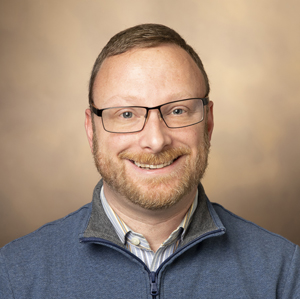
Adam Rosenberg, PhD

The $100,000 award was announced Oct. 15 by the Society of Nuclear Medicine and Molecular Imaging (SNMMI) and the Lobular Breast Cancer Alliance Inc. (LBCA), which jointly funded the award.

Approximately 48,000 women are diagnosed with invasive lobular carcinoma in the United States each year, yet the disease remains “underappreciated and under-researched,” SNMMI President-Elect Gary Ulaner, MD, PhD, said in a news release.

Rosenberg and Kennedy “will use novel molecular imaging to help open new therapeutic options to patients …, which is very good news indeed,” said Ulaner, Chair of Molecular Imaging and Therapy at the Hoag Family Cancer Institute and Professor of Radiology and Translational Genomics at the University of Southern California.

Rosenberg is Research Associate Professor of Radiology and Radiological Sciences and Director of Radiochemistry Research at the Vanderbilt University Institute of Imaging Science. Kennedy is Assistant Professor of Medicine in the Division of Hematology and Oncology. Both are members of the Vanderbilt-Ingram Cancer Center.

Laura Kennedy, MD, PhD

The focus of their research is HER2 (human epidermal growth factor receptor 2) overexpression, which in breast cancer is associated with poor outcomes. Targeted anti-HER2 antibody therapies have improved survival considerably. However, it is difficult to accurately determine the HER2 status of invasive lobular carcinoma that has spread, or metastasized.

As a result, the burden of disease is frequently underestimated; invasive lobular carcinoma is often diagnosed in later stages and with larger tumors; and many patients are excluded from clinical trials of targeted HER2 therapies such as combined trastuzumab and deruxtecan due to insufficiently measurable disease.

One promising approach is to use positron emission tomography (PET), a noninvasive imaging technique, to detect ABY-025, an anti-HER2 antibody made by the Swedish biopharmaceutical firm Affibody, which has been labeled with gallium-68, a positron-emitting radioisotope of gallium.

Rosenberg and Kennedy will use this approach to quantify HER2 expression throughout the body including bone, the lining of the abdominal cavity, and gastrointestinal sites that cannot be sampled, visualized on conventional imaging, or accurately measured by biopsy.

If this imaging technique finds “actionable HER2” in tumors that were labeled “HER2 zero” by conventional immunohistochemistry testing, “it would show molecular imaging working as a quantitative predictive biomarker that decides drug eligibility, not just as a way to locate disease,” Rosenberg said.

“At Vanderbilt-Ingram Cancer Center, we are committed to advancing precision oncology through innovative research that improves the lives of patients,” said Vanderbilt-Ingram Director Ben Ho Park, MD, PhD, the Benjamin F. Byrd Jr. Professor of Oncology and Professor of Medicine.

“Drs. Rosenberg and Kennedy are leading groundbreaking work to better understand HER2 expression in invasive lobular carcinoma, with the potential to expand treatment opportunities and advance more personalized care for patients with breast cancer,” Park said.

Rosenberg is a synthetic organic chemist and radiochemist whose research focuses on optimizing existing radiopharmaceutical production methods, novel synthesis methods, and development of novel radiotracers, with a recent emphasis on the practical use of smaller biologics.

Kennedy’s previous research has focused on predicting immunotherapy response of HER2-positive and triple-negative breast cancer using breast imaging and on developing improved systemic treatment strategies for early-stage lobular breast cancer through her investigator-initiated clinical trial, “Neoadjuvant Neratinib in Stage I-III HER2-Mutated Lobular Breast Cancers” (NCT05919108).

The SNMMI Mars Shot Research Fund, established in 2023, provides resources that translate visionary nuclear medicine imaging, radiopharmaceutical therapy, and data science research or projects into tools or treatments which will help improve the lives of patients.

The post Vanderbilt Health researchers receive ‘Mars Shot’ award to improve invasive breast cancer diagnosis appeared first on Vanderbilt Health News.
Cancer’s Andreana Holowatyj honored by Chamber of Commerce

Submitted by vicc_news on

The Nashville Area Chamber of Commerce and Young Professionals (YP) Nashville recently honored Andreana Holowatyj, PhD, MSCI, Assistant Professor of Hematology and Oncology at Vanderbilt Health, with a Nashville Emerging Leaders Award (NELAS).

The award recognizes Middle Tennessee’s young professionals ages 21-40 across several industries for their professional achievements and community contributions.

Andreana Holowatyj, PhD, MSCI

Holowatyj, Assistant Professor, Research Director and Research Immersion Co-Director at Vanderbilt University School of Medicine, is the 2026 winner in the category of “Medical, Healthcare & Wellness.”

“Winning The NELAS is a remarkable honor, especially among a talented group of changemakers in medicine. Every day I am inspired by our young adult patients with cancer,” said Holowatyj, who is also a Research Program Faculty Fellow and member of the Board of Directors for the Young Adults with Cancer Program at Vanderbilt-Ingram Cancer Center. “Our discoveries come from strong patient and community partnerships, a stellar team of staff, students and colleagues, and the support to pursue bold ideas that can transform our understanding of why cancers, like colorectal cancer, are rising in younger generations.”

Now in its 19th year, The NELAS recognize up to five finalists and one winner in various industry categories. Industry leaders serving as judges evaluate applications and choose finalists and winners based on submitted essay responses, professional achievement, demonstrated leadership, and community impact.

“This year’s NELAS winners represent the best of the best of our region’s young professionals,” said Stephanie Coleman, President and CEO of the Nashville Area Chamber of Commerce. “These dynamic leaders represent Nashville’s growth and success, and we look forward to their continued engagement in the community as they advance and develop their careers.”

YP Nashville, sponsored by Belmont University’s Jack C. Massey College of Business, is the Nashville Area Chamber of Commerce’s young professional initiative, connecting and empowering emerging leaders through year-round networking, leadership development, and community engagement opportunities.

“Our young professionals are driving the community forward with outstanding vision, work ethic, and dedication,” said Randy Bradley, PhD, Dean of the Jack C. Massey College of Business at Belmont University. 

“A NELAS nomination is a testament to that impact, and this year’s finalists represent a talented group leading the charge. Young professionals are the heartbeat of our regional economy and seeing them recognized fills me with pride and optimism for our collective future. Congratulations on this well-deserved honor,” he said.

Holowatyj leads a renowned biomedical research program committed to tackling the rising tide of early-onset cancers among adults under age 50, for which she has also been recognized with the national 40 Under 40 in Cancer 2025 award from the Association for Value-Based Cancer Care and the 2026 Vanguard Impact Award for Colorectal Cancer Research by the Kayode Oluseun Okunoren Legacy Fund.

With funding from the National Institutes of Health and National Cancer Institute, American Cancer Society, and several foundations, her team conducts both patient-partnered clinical trials — including the Preserving Fertility After Colorectal Cancer study — and fundamental molecular investigations to answer tough, clinically-significant and important questions that will transform our biological understanding of early-onset cancer development and improve young patient care as well as outcomes in the clinic, in local communities and across the state of Tennessee.

The post Cancer’s Andreana Holowatyj honored by Chamber of Commerce appeared first on Vanderbilt Health News.
Fabien Maldonado named Executive Medical Director of Lung Patient Care Center

Submitted by vicc_news on
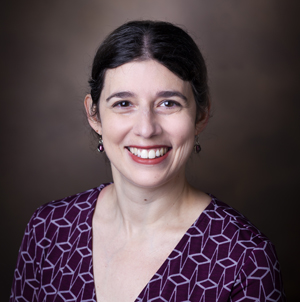
Fabien Maldonado, MD, MSc

Fabien Maldonado, MD, MSc, has been selected to serve as the Executive Medical Director for the Lung Patient Care Center (PCC) at Vanderbilt Health, effective Oct. 1.

He succeeds Joao de Andrade, MD, MMHC, Professor of Medicine, who was recently named Executive Vice Chair for Clinical Affairs in the Department of Medicine.

“Dr. Maldonado is an internationally recognized physician leader, clinician-scientist and educator who has made significant contributions to Vanderbilt Health’s clinical, academic and research missions,” said Patty Wright, MD, Chief Medical Officer for Adult Ambulatory Clinics. “He has served in numerous leadership roles including Director of Interventional Pulmonology, Chair of the Multidisciplinary Lung Cancer Tumor Board and Co-Lead of the Thoracic Oncology Program at Vanderbilt-Ingram Cancer Center. We look forward to working with Dr. Maldonado as we continue to improve the patient-centered care Vanderbilt Health delivers to our region.”

Maldonado, who joined Vanderbilt Health in 2015, holds the Pierre Massion Directorship in Lung Cancer Research and is widely recognized for his work advancing lung cancer care, interventional pulmonology and multidisciplinary care delivery. He is Professor of Medicine and Thoracic Surgery; Director of the Vanderbilt Interventional Pulmonary Research Laboratory; and Co-Director of the Multidisciplinary Assessment and Stratification of Lung Cancer Biomarkers (MASLAB), a collaborative research program dedicated to advancing early lung cancer detection and precision risk stratification through integrated imaging, clinical and molecular data science.

“The lung health services we provide at the Vanderbilt Lung Institute have grown tremendously in both scope and quality over the past decade,” Maldonado said. “In my new role, I will remain focused on serving our patients by improving their experience, access to care and coordination across our programs. Our goal is to make Vanderbilt a destination center for lung health while providing Tennesseans access to world-class pulmonary care close to home, from asthma and COPD to lung cancer, advanced lung disease and lung transplantation.

“We have extraordinary foundations on which to build, with internationally recognized programs across the spectrum of lung health, and I am excited to bring these strengths together to build an integrated lung program defined by clinical excellence, innovation and an exceptional experience for every patient we serve.”

As Executive Medical Director, Maldonado will provide physician leadership for quality, safety, patient experience, access and clinical operations across the Lung PCC. Working in close partnership with operational and nursing leadership, he will support the PCC’s medical directors, advance strategic priorities, and help guide the continued growth and integration of Vanderbilt Health’s lung programs across ambulatory and inpatient settings.

“We want to recognize Dr. de Andrade for his outstanding leadership and service as Executive Medical Director of the Lung PCC,” said Warren Sandberg, MD, PhD, Chief of Staff for Vanderbilt University Hospital. “Under his leadership, the Lung PCC has grown remarkably, nearly doubling clinical visits while also strengthening its commitment to high-quality, multidisciplinary care and positioning itself for future growth and success. We are grateful for his many contributions and look forward to his continued partnership as Executive Vice Chair for Clinical Affairs in the Department of Medicine.”

The post Fabien Maldonado named Executive Medical Director of Lung Patient Care Center appeared first on Vanderbilt Health News.
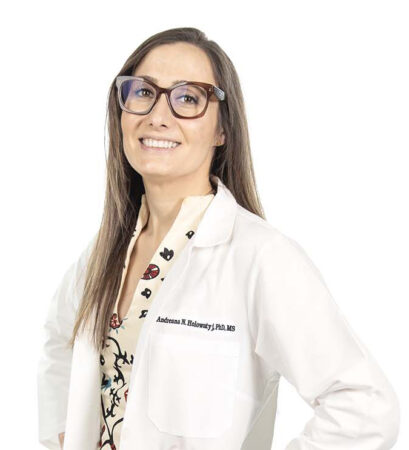
Cassandra Chaytor uses her breast cancer experience to support patients, families and her community

Submitted by vicc_news on

Four years after being diagnosed with breast cancer, Cassandra Chaytor still remembers the thought that crossed her mind when she learned she had cancer.

It was not about herself.

It was about her children.

“I have to come out OK,” she recalled telling her physician. “I have to be here for my children.”

At the time, her daughter Lydia was 12, and her son Archer was 8. Overnight, life became a series of appointments, treatments, surgeries and difficult conversations. Alongside the physical challenges came the emotional weight of helping her children navigate a reality none of them expected.

Tears in the grocery store

Some memories remain vivid.

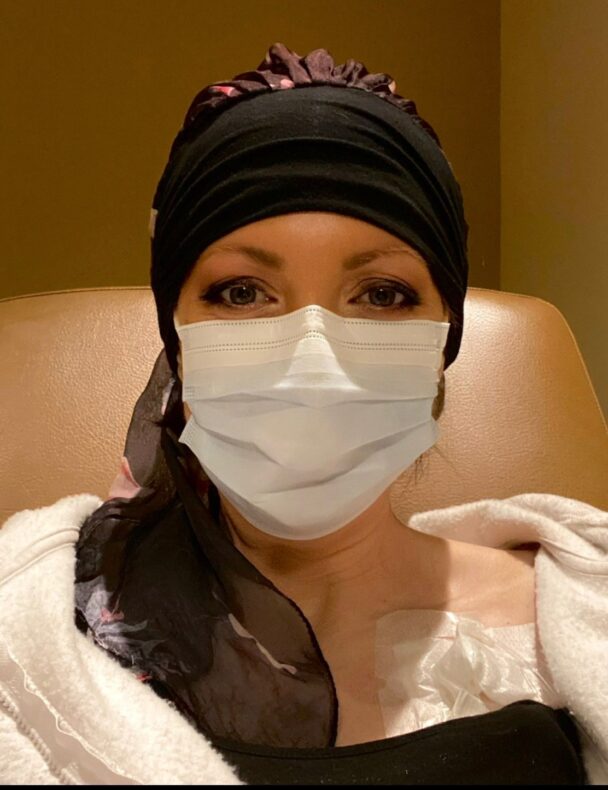
Chaytor was grocery shopping with Archer, masked and wearing a scarf on her head, when a woman looked at them and began to cry.

Archer immediately understood why.

“He was so upset that we abandoned our cart and left the store,” Chaytor said.

For Chaytor, the manager of Clinic Operations at Vanderbilt Eye Institute in Franklin, the moment was a reminder that cancer affects entire families, not just the person diagnosed.

“It was incredibly hard for my children,” she said. “They were walking through it with me.”

Early in her cancer experience, Chaytor met with Vandana Abramson, MD, Professor of Medicine and Co-Leader of the Breast Cancer Research Program at Vanderbilt-Ingram Cancer Center.

“She gave me the facts and a clear plan, but she also gave me hope,” Chaytor said. “She’s one of the leading experts in her field, yet she approaches patients with incredible warmth, reassurance and encouragement. That meant so much during such a frightening time.”

What followed was a series of treatments that included a lumpectomy, chemotherapy, a mastectomy and reconstruction. Through it all, Chaytor remained focused on being present for her children and finding the strength to move forward.

Care along the way

As difficult as treatment was, what stands out most to Chaytor today is the care she received along the way.

One experience in particular remains especially meaningful.

On the morning of her mastectomy, overwhelmed by fear, Chaytor broke down just before being taken into surgery.

“I was sobbing uncontrollably,” she recalled.

Her surgeon, Ingrid Meszoely, MD, sat next to her, put her arm around her, and held her as she cried.

Chaytor’s treatments included a lumpectomy, chemotherapy, a mastectomy and reconstruction. (photo courtesy Cassandra Chaytor)

“She held me until I was ready to go back,” Chaytor said. “In one of the hardest moments of my life, her compassion meant everything to me. I’ll never forget it.”

Those experiences reinforced something Chaytor has always believed: People may forget details, but they never forget how they are treated during their most vulnerable moments.

“I’ve always believed in leading with empathy and kindness,” Chaytor said. “But walking in a patient’s shoes reinforced just how much every interaction matters.”

As she moved through treatment, Chaytor found herself paying close attention to the infusion team.

“They handle so many emotions every single day,” she said. “Watching how they supported patients, families and one another gave me an even deeper appreciation for what they do.”

That appreciation took on new meaning when a nurse asked Chaytor to speak with another patient who needed someone to talk to. That conversation became a turning point.

“It helped me realize that sharing my experience could help someone else feel less alone,” she said.

The story of countless others

Since then, Chaytor has embraced opportunities to support and encourage others facing cancer, whether through advocacy, community involvement or simply sharing her story.

“This affects so many women,” she said. “It’s my story, but it’s also the story of countless others. Even when you’re surrounded by support, there can be a loneliness that’s hard to describe. If sharing my experience helps even one person feel less alone, then something meaningful can come from what I went through.”

After returning to work, Chaytor shared her story with her team, reflecting on the importance of kindness, self-care and recognizing the impact every person can have on a patient’s experience.

“Every interaction matters. Every role matters. The way we treat patients and one another stays with people long after the moment has passed.”

Today, Chaytor is a survivor, advocate and health care leader who continues to draw on her experience to support others.

“Cancer is part of my story, but it is not what defines me,” she said. “What stays with me most is the care I received and the opportunity to help others feel less alone.

“There is hope, and there is always someone willing to walk beside you.”

And she makes a final pitch: She hopes others will join her in participating in or contributing to Team Vanderbilt’s efforts at this year’s Susan G. Komen More Than Pink Walk, on Oct. 3.

The post Cassandra Chaytor uses her breast cancer experience to support patients, families and her community appeared first on Vanderbilt Health News.
Study identifies factors driving effectiveness of off-the-shelf CAR-T therapy

Submitted by vicc_news on

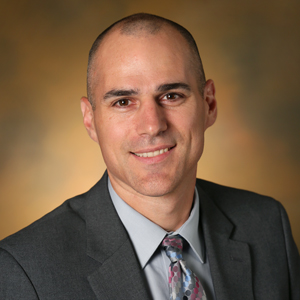
A new study, published Sept. 25 in Cancer Discovery, reveals key insights into the biological factors shaping efficacy of off-the-shelf CAR-T cell therapies. Andrew Jallouk, MD, PhD, Assistant Professor of Medicine in the Division of Hematology/Oncology, was lead author of the study.

Currently, standard CAR-T therapies require a patient’s own T cells to be collected, genetically engineered and returned to the patient — a complex process which can take several weeks. Off-the-shelf CAR-T therapies are prepared in advance and immediately available when needed, making them easier for patients to access. However, the response to these therapies may vary due to characteristics of the individual patient or product.

Jallouk explained, “As part of this work, we identified both patient and product features which contribute to CAR-T efficacy. These findings help explain why patients can have very different responses to the exact same off-the-shelf CAR-T therapy.”

The team’s findings could lead to new strategies which improve efficacy of these treatments and expand lifesaving options for cancer patients.

Balance between immune rejection and CAR-T expansion

The researchers evaluated patients with relapsed or refractory large B-cell lymphoma who received cemacabtagene ansegedleucel (cema-cel, Allogene Therapeutics), an investigational off-the-shelf CAR-T cell product. Using advanced molecular and immune profiling, the team tracked how the engineered immune cells behaved post-infusion and monitored how patients’ immune systems reacted to them.

The study found that pre-existing immune defenses in a subset of patients targeted and rejected the CAR-T cells. This process limited the therapy’s effectiveness in these patients. In contrast, patients whose CAR-T cells expanded successfully showed little evidence of immune rejection. Additionally, the study found that certain CAR-T cell populations consistently demonstrated a greater ability to expand across multiple patients and disease settings.

Building better off-the-shelf CAR-T therapies

These results establish a framework for enhancing next-generation CAR-T cell therapies by helping manufacturers further optimize donor selection and production methods. They also help physicians identify patients who may respond best to CAR T therapies prior to treatment.

Jallouk summarized, “Our findings provide a roadmap for improving future allogeneic CAR-T cell therapies. By identifying patients who may be more likely to reject off-the-shelf CAR-T cells and refining how these therapies are developed, we can work toward more effective and personalized treatments.”

The study was supported by funding from Allogene Therapeutics, the University of Texas MD Anderson Cancer Center, Conquer Cancer, the Lymphoma Research Foundation, the Cancer Prevention and Research Institute of Texas and the National Cancer Institute (1K08CA248458-01). A full list of collaborating authors and their disclosures may be found with the full paper in Cancer Discovery.

The post Study identifies factors driving effectiveness of off-the-shelf CAR-T therapy appeared first on Vanderbilt Health News.
Vanderbilt-Ingram Cancer Center convenes dual retreats to drive lung cancer care and research forward

Submitted by vicc_news on

Vanderbilt-Ingram Cancer Center will host two specialized retreats for lung care in October for colleagues across the organization to collaborate, review progress and identify opportunities to improve patient outcomes.

The event co-chairs are also co-leaders for the Thoracic Oncology program at Vanderbilt-Ingram: Fabien Maldonado, MD, MSc, Director of Interventional Pulmonology at the Vanderbilt Lung Institute, and Evan Osmundson, MD, PhD, Vice Chair of the Department of Radiation Oncology.

They worked in partnership with Melinda Aldrich, PhD, MPH, Professor of Medicine in the Division of Genetic Medicine and Clinical Pharmacology, for the research-based retreat. Aldrich is an accomplished lung cancer investigator and holder of the Robert A. Goodwin, Jr., MD, Directorship

“These retreats allow us to reflect on our progress, strengthen collaborations across disciplines and identify opportunities to further improve care for patients with lung cancer. We remain focused on building the most patient-centered, data-driven lung cancer program in Tennessee,” said Maldonado, holder of the Pierre Massion Directorship in Lung Cancer Research.

“At our last retreat, we launched a real-time lung cancer time-to-treatment tracker in Tableau to monitor patients through the referral, workup, and treatment pipeline,” Osmundson said. “Gathering again allows us to build on that momentum and continue elevating patient care.”

  1. Research Retreat (Friday, Oct. 2, 9 a.m.-1 p.m.): Open to all researchers across all disciplines at 3401 West End Ave., Second Floor, Suite 290.   
  2. Clinical Retreat (Friday, Oct. 30, 7:30 a.m.-1 p.m.): Open to clinical practitioners and team members involved in lung cancer care and research, Scarritt Bennett Center, 1027 18th Ave. S.

Click here to register.  

These collaborative sessions offer a valuable opportunity for teams to align around the long-term strategic vision for the lung cancer program as well as assess program performance against national and regional benchmarks.

There will also be time to discuss and identify initiatives to drive progress over the next few years.

The post Vanderbilt-Ingram Cancer Center convenes dual retreats to drive lung cancer care and research forward appeared first on Vanderbilt Health News.
Single-port, robotic colorectal surgery means patients go home, heal faster

Submitted by vicc_news on

When Melissa Glass met with Aimal Khan, MD, Assistant Professor of Surgery at Vanderbilt Health, to make a surgical plan for her recently diagnosed colon cancer, she had one big request.

She wanted to be back home in Morgantown, Kentucky, and healthy enough to participate in an annual event for Butler County Schools students that is close to her heart.

“It was important to me to make it to our Happy Feet program, where we provide free shoes for students who are underprivileged,” she explained. “They get to pick their shoes out before school starts, and I look forward to this event all year. We fundraise for it, and it’s just such a great day.

“I promised my co-workers I would sit and not help set up boxes, so I behaved and didn’t overexert myself. We love our students, and I was just so happy I was there.”

Glass, a family resource coordinator for the school system, was overwhelmed when health symptoms led to a colon cancer diagnosis at age 44. She is among a growing number of young adults diagnosed with early-onset colorectal cancer, a trend that led the American Cancer Society to update their recommendation to begin screenings at age 45 rather than 50.

Glass talked to a friend who had a similar experience, and they recommended Khan, who had been their surgeon. Khan recommended a minimally invasive, robot-assisted approach to remove the sigmoid colon cancer using a newer, single-port (SP) robotic platform.

“Vanderbilt is among the highest volume, single-port robotic colorectal surgery programs in the United States,” Khan said. “The SP platform allows us to complete an entire colon or rectal operation through one small incision, usually hidden at the bikini line or around the belly button, rather than four or five separate incisions required by conventional robotic or laparoscopic surgery. Very few centers in the country have the training and case volume to offer this for complex colorectal disease.”

Minimally invasive, robotic procedures have been in use for more than two decades and have now become common throughout the world. More recent improvements in the size and function of individual surgical tools, and advances in robotic technology, have made single-port surgeries possible, according to Matthew Spann, MD, Associate Professor of Surgery and Chief of the Division of General Surgery at Vanderbilt Health.

Single-port robotic systems feature small surgical instruments and a camera that are inserted through a tube in a single incision. The instruments, such as scissors, forceps and graspers, can pivot 360 degrees, giving surgeons better access to structures during complex procedures.

And while the aesthetics of having just one small incision rather than several is certainly positive, more importantly, SP colorectal surgeries have been proven to have similar outcomes when compared to a conventional surgical approach, Khan said.

“This is what separates a real advance from a cosmetic one,” he explained. “Complication rates are comparable to the conventional approach. For our cancer patients, we removed the same number of lymph nodes and achieved clean margins around the tumor at the same rate, which are the two measures that determine whether a cancer operation provides the best chance for a cure.”

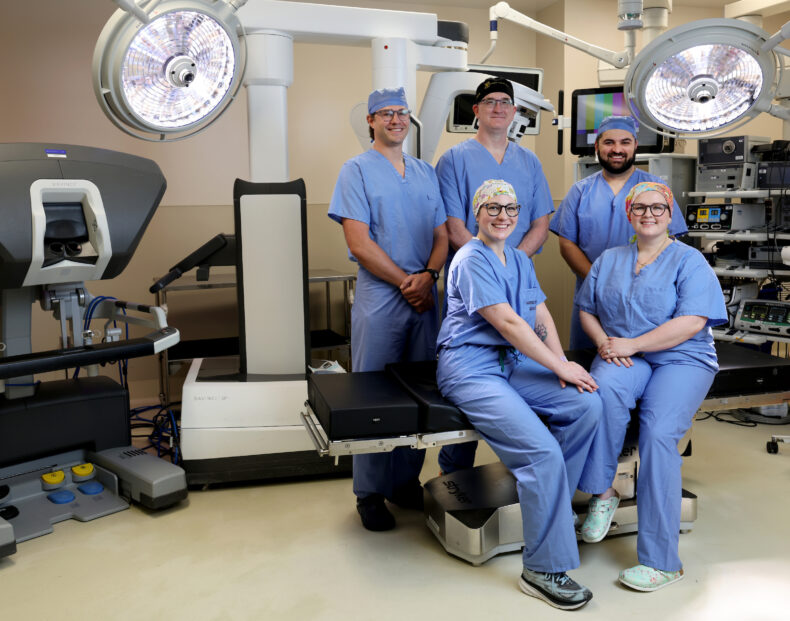
Members of the Vanderbilt Health Colon and Rectal Surgery team in front of the single-port (SP) robotic system they use for colorectal surgeries. The team includes, front row, left to right, Katie Martin, PA-C; and Shannon McChesney, MD. Back row, left to right, Phillip Williams, MD, MSc; M. Benjamin (Ben) Hopkins, MD; and Aimal Khan, MD. (photo by Donn Jones)

Other results for SP colorectal surgeries at Vanderbilt Health are just as impressive:

  • Patients who have these surgeries go home up to 50% sooner. The length of stay after most SP colorectal surgeries is one day, with a significant number of patients going home the same day.
  • Patients need substantially less post-surgery narcotic pain medication (25% less), and many go home without an opioid prescription at all. Since every postsurgical opioid prescription is a potential entry point to long-term opioid use, this is important.
  • Patients report less interruption to their lives, as well as satisfaction with the procedures overall.

Factors that contribute to the success of SP robot-assisted surgeries are the volume of procedures performed at a health care center, as well as the specialized, intensive training clinicians obtain to perform these procedures, said Spann.

“Training in minimally invasive robotic procedures — now including single-port surgeries — is increasingly being incorporated into specialty-specific surgical fellowships,” he said. “This is certainly the case here at Vanderbilt Health.”

And training opportunities led by Vanderbilt Health surgeons extend to established surgeons at other health care centers.

“We have hosted dozens of surgeons from all over from the country who have come here to learn from our experience in single-port robotic surgery,” Khan said. “The Vanderbilt Health colorectal team is also among the national leaders in research on single-port robotic colorectal surgery.”

M. Benjamin (Ben) Hopkins, MD, who leads the section of Colon and Rectal Surgery at Vanderbilt, shared the team’s experience recently at the summer meeting of the Piedmont Society of Colon and Rectal Surgeons, a regional professional medical organization.

“The level of national interest in what we are doing with the SP robot has been remarkable,” Hopkins said.

Khan and Hopkins, along with fellow surgeons Shannon McChesney, MD, and Phillip Williams, MD, MSc, have all completed colorectal surgical fellowships and have training in multiport and single-port robotic surgery. Physician assistant Katie Martin, PA-C, was instrumental in getting the program started and now leads training courses for advanced practice providers interested in learning how to use the SP platform. There are plans to train more Vanderbilt Health surgeons on the SP robot.

Single-port robotic surgeries might not be the best surgical approach for every patient, Khan said. Surgical plans are made in collaboration with each patient and depend on the type and location of the cancer, whether previous abdominal surgery has resulted in scarring, anatomy and other conditions.

As for Glass, she spent two nights at Vanderbilt University Hospital. Her recovery following surgery went well, with manageable pain. She credits her family, including her husband, Jon, and their two daughters, and her colleagues at Butler County Schools for supporting her throughout her experience.

Her short recovery time meant she was able to begin chemotherapy treatment at Vanderbilt-Ingram Cancer Center with Cathy Eng, MD, the David H. Johnson Professor of Surgical and Medical Oncology, whom she also praised highly. Glass has just two chemotherapy sessions remaining and is ready to fully return to focusing on her family and the students of Butler County.

“I’m a very private person, so the fact that I’m sharing my story lets you know how I feel about Dr. Khan and the care I received at Vanderbilt,” she said. “I feel like God’s hand was on it because we really didn’t know where to go or what to do. My husband and I quickly knew that we were in the right place.”

The post Single-port, robotic colorectal surgery means patients go home, heal faster appeared first on Vanderbilt Health News.
Surgeons now using ‘pretzels’ to spare bladder for noninvasive bladder cancer patients

Submitted by vicc_news on

Bladder cancer patient Patrick Delahoussaye, 81, of Brentwood, Tennessee, has been trying to drink plenty of water over the past 18 months — up to 96 ounces a day — to keep a slow-release medication “pretzel” from lodging in his bladder, which can be very irritating.

And he also has some pain when the pretzel is removed and another inserted periodically in clinic, but he is no longer riddled with the cancer that “looked like a coral reef,” Delahoussaye said.

The first line treatment for noninvasive bladder cancer is Bacillus Calmette-Guérin (BCG), an immunotherapy that has been used since the 1980s to trigger a patient’s immune system to fight off cancer cells and reduce the risk of cancer coming back inside the bladder.

But BCG was ineffective for Delahoussaye after a year of treatment, so his options were limited to bladder removal — a 5-7-hour surgery that requires a four-day hospital stay, with 1 in 3 patients returning to the hospital within 30 days — or joining a clinical trial.

“To do a bladder removal for a noninvasive cancer, understandably for many people, is a hard sell,” said Amy Luckenbaugh, MD, Associate Professor of Urology in the Division of Urologic Oncology at Vanderbilt Health.

“And so, we have new chemotherapies that are in a little device that we call a ‘pretzel’ that we insert in the bladder, and it gives off the chemotherapy slowly over time and only impacts the bladder lining without impacting the whole body.”

The pretzel device gives off chemotherapy slowly over time and only impacts the bladder lining without impacting the whole body. (photo by Erin O. Smith)

Delahoussaye was the first Vanderbilt Health patient enrolled in the SunRISe-5 trial for the TAR-200 gemcitabine pretzel in October 2024, after three surgeries and ineffective treatment with BCG. He had two big risk factors for bladder cancer in his history — smoking and chemical exposures. He stopped smoking 44 years ago but believes he could have also been exposed to chemicals during his time managing an aircraft painting facility in Louisiana.

“I had some hard times in the beginning of the trial; as you can imagine, putting gemcitabine in your bladder for 24 hours a day, seven days a week, can get aggravating,” he said. “It’s not easy, but I wanted to do it not only to cure my cancer but also to help people after me.”

Bladder cancer is the 10th leading cause of cancer death in the U.S., with 1 in 333 women and 1 in 125 men dying from it, according to the American Cancer Society. Delahoussaye and his wife, Roxane, had a friend who died of bladder cancer, which reinforced his motivation for entering the trial.

“I’m always pretty optimistic as a person,” Roxane Delahoussaye said. “He’s had a lot of ups and downs with his health; he also had Merkel cell carcinoma in 2012. When this cancer came along, yes, I was worried, but knowing it was contained inside the bladder was a good sign.

“Once it leaves a bladder, and the cancer metastasizes into the lining, and possibly outside of the bladder, that’s when you worry. And he never had that issue. That helped me sleep at night. It was good news,” she said.

Patrick Delahoussaye credits Bree Duncan, BSN, RN, Research Nurse Specialist IV, for helping him through the trial over the past year and a half.

“The experience has been nothing but outstanding, in most ways, and the treatment eliminated my bladder cancer,” he said. “The inside of my bladder looks like it did the day I was born. There’s no cancer showing in the urine or the blood.”

Roxane Delahoussaye agreed.

“Bree would tell him, ‘Don’t give up. I know you want to give up on the trial but stay with it. You’re doing great.’ She was such a cheerleader, and she was always available. Patrick always told me, ‘If it wasn’t for Bree, I probably would have quit.’ I just can’t sing Vanderbilt’s praises enough because I think my husband’s alive because of Vanderbilt, and I really do mean that.” she said.

The Food and Drug Administration approved the gemcitabine intravesical system (pretzel) in September 2025.

The post Surgeons now using ‘pretzels’ to spare bladder for noninvasive bladder cancer patients appeared first on Vanderbilt Health News.

Subscribe to Cancer